In today’s digital age, many of us spend a significant portion of our day staring at screens, whether it be a laptop, smartphone, or tablet. With the rise in digital eye strain and concerns over blue light exposure, blue light glasses have surged in popularity. These glasses claim to filter out blue light from digital devices, protecting our eyes from harm and improving sleep cycles. But are these glasses truly effective, or just a modern-day trend? Let’s delve into the evidence to separate myth from reality.
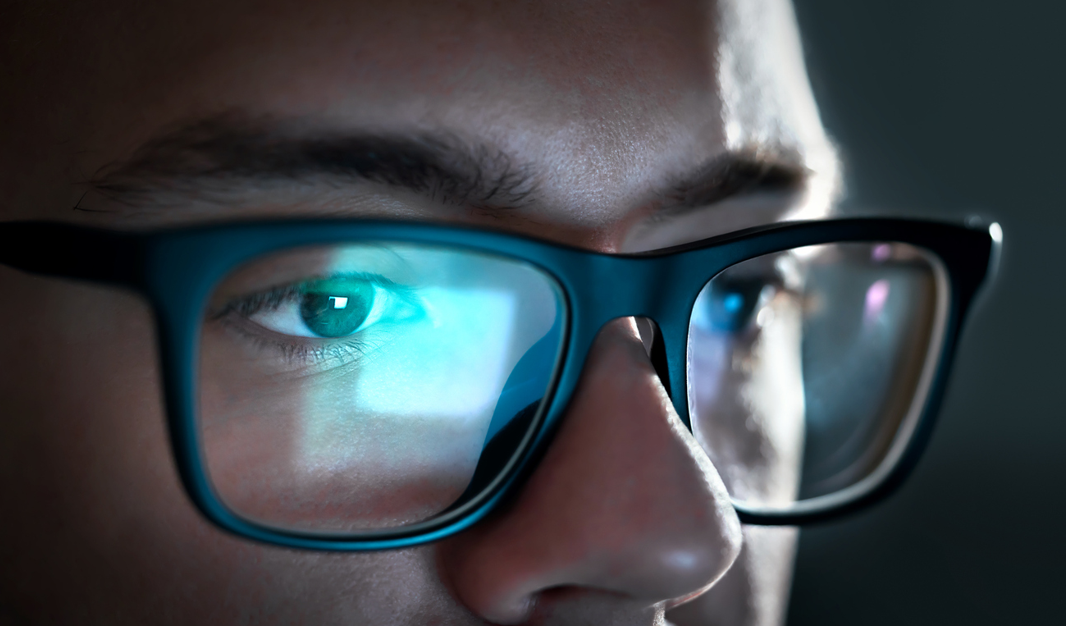
Understanding Blue Light and Its Effects
Blue light is a high-energy light spectrum visible to the human eye. It is naturally emitted by the sun but is also commonly produced by LED lighting, digital screens, and other artificial sources. Due to its high energy, blue light has been speculated to contribute more significantly to digital eye strain compared to other types of light. Symptoms of digital eye strain can include blurred vision, headaches, and dry eyes.
However, current research does not conclusively show that blue light from screens directly causes lasting eye damage. The American Academy of Ophthalmology (AAO) has not found substantial evidence that blue light exposure from digital device screens is harmful to eye health. They emphasize that digital eye strain is more a result of screen habits rather than the blue light emitted.
The Debate Around Blue Light Glasses
Blue light blocking glasses are designed to filter blue light from reaching the eyes. Many brands claim they prevent eye strain, improve sleep quality, and even protect against eye disease. However, the effectiveness of these glasses is debated among eye care professionals.
Studies show mixed results. Some research suggests that blue light lenses might not significantly relieve symptoms of digital eye strain. Others indicate that users report subjective improvements, such as reduced glare or increased comfort, which may result from a placebo effect or minor benefits in specific situations.
Alternatives to Blue Light Glasses for Eye Protection
There are many other things that can be done to reduce digital eye strain:
- Follow the 20-20-20 rule, taking a 20-second break to look at something 20 feet away every 20 minutes.
- Ensure proper room lighting and adjust screen brightness and contrast.
- Use artificial tears to lubricate dry eyes during extended screen use.
Decision Time: To Wear or Not to Wear?
Ultimately, whether blue light glasses are worth it depends on personal preference. If wearing them improves your comfort during screen use, they may be helpful, especially in the evening to support sleep quality. However, it is important to maintain realistic expectations, understanding that these glasses are not a cure-all solution for digital eye strain or sleep disruption.
Explore Your Options with Six One Six Vision Center
For residents of Eagle, ID, seeking guidance on managing digital eye strain or exploring blue light glasses, Six One Six Vision Center is here to help. Our experienced team can provide personalized recommendations and strategies to support eye health in the digital age. Contact us at (208) 514-1858 or schedule a consultation online anytime and learn how to maintain optimal eye comfort and vision health.