Winter in Eagle, ID, brings crisp air and snowy scenery—but also the unwelcome challenge of dry, uncomfortable eyes for many contact lens wearers. As temperatures drop and indoor heating rises, moisture in the air decreases dramatically. This shift can make contact lenses feel irritating just when you rely on them most. Fortunately, understanding why dryness occurs and how to combat it can help you maintain clear, comfortable vision throughout the season.
Why Dry Winter Conditions Affect Your Eyes
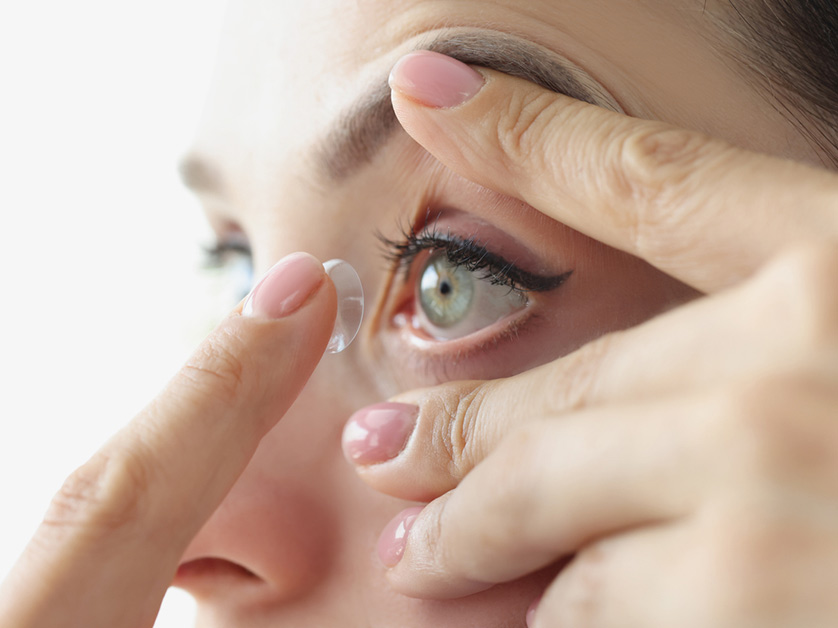
Cold outdoor air combined with indoor heating rapidly reduces humidity, and that lack of moisture affects the thin tear film that protects your eyes. When tears evaporate too quickly, contact lenses become less comfortable and symptoms can appear, including:
-
Redness and irritation
-
Grittiness or dryness
-
Increased lens awareness
-
Blurry or fluctuating vision
Winter routines often include more screen time as well, and extended focus reduces your blink rate—drying your eyes even more.
Essential Strategies for Contact Lens Comfort
Here are practical steps to improve comfort while wearing contacts in winter conditions like those in Eagle:
1. Prioritize Hydration
Hydration is essential to maintaining a healthy tear film. Be mindful of drinking water regularly throughout the day, especially if enjoying outdoor sports or spending time in heated indoor environments.
2. Use Artificial Tears Wisely
Preservative-free, contact-friendly artificial tears help replenish moisture. Keeping a small bottle close by ensures quick relief whenever dryness appears. If discomfort persists, a dry eye evaluation can determine whether you need additional management.
3. Shield Your Eyes from Wind and Sun
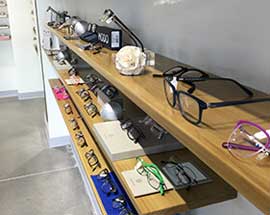
Winter winds and reflective snow accelerate tear evaporation. Protective eyewear—such as wraparound sunglasses or prescription sunglasses—can help reduce wind exposure and minimize glare. Many patients enjoy browsing for eyeglass frames that serve both function and style.
4. Indoor Comfort Upgrades
Increasing indoor humidity can make a noticeable difference. A humidifier in your bedroom or workspace can help keep eyes more comfortable. Avoid sitting directly in the airflow of heating vents or fans, and try to blink more often when working at a screen.
5. Choose Lenses Designed for Dry Eyes
If dryness persists, switching to daily disposable lenses or moisture-retentive specialty contacts may help. Dailies reduce protein buildup and provide a fresh lens every morning. Specialty options such as scleral lenses can also support more severe dryness issues. Discuss these options at your next eye exam.
Glasses Offer a Comfortable Alternative
Even with the best habits, some winter days can make contact lenses less comfortable. Wearing eyeglasses occasionally gives your eyes a much-needed break. With a wide selection of new glasses and trending eyeglass frames, you can refresh your look while protecting your eyes from wind and debris—especially during outdoor winter activities.
Good Hygiene Prevents More Than Just Discomfort
Winter is also cold and flu season. Always wash your hands before handling contacts to reduce the risk of infection. Follow your cleaning routine, replace lenses as directed, and never sleep in contacts unless specifically prescribed.
Schedule a Winter Vision Check at Six One Six Vision Center
If dryness, irritation, or blurred vision is affecting your comfort this winter, the experienced team at Six One Six Vision Center is here to help. Schedule a dry eye consultation or explore the latest innovations in contact lenses and eyeglass frames. Our practice in Eagle, ID, provides personalized solutions to keep your eyes comfortable throughout the season. Give us a call or text at (208) 514-1858 or schedule online anytime to get started.