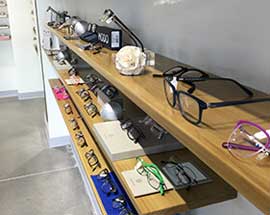
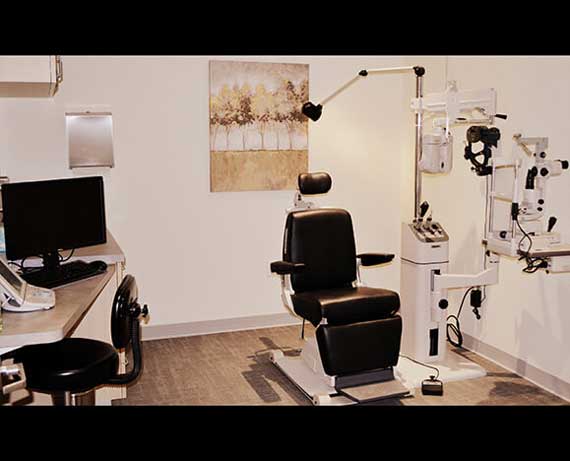
When you visit Six One Six Vision Center for your eye exams, you are doing much more than simply assessing your vision. Many people do not realize that their eyes offer a unique window into their overall health. Systemic diseases, which affect the body as a whole, can reveal some of their earliest warning signs through subtle changes in the eyes. Understanding the connection between systemic illness and eye health is essential for anyone committed to maintaining their well-being year-round.
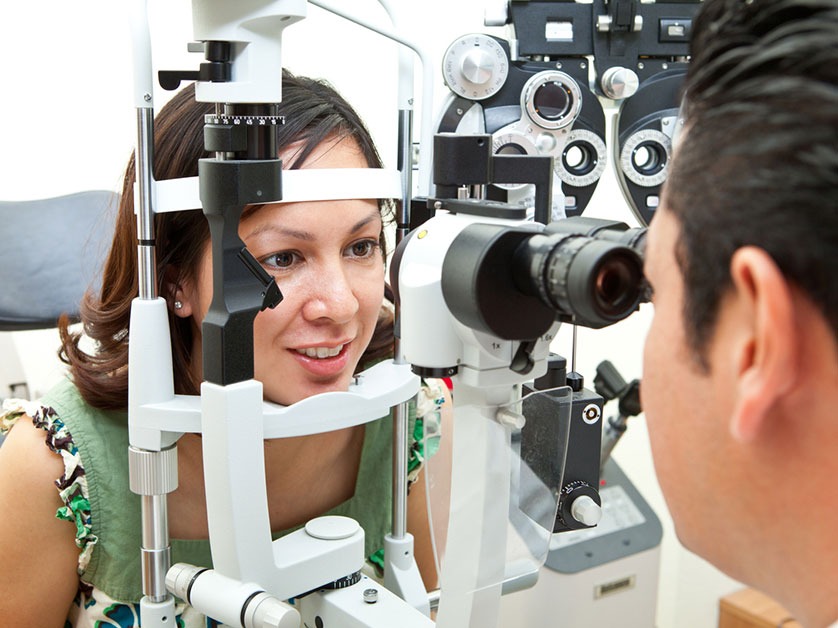
How Your Eyes Reveal Systemic Diseases
Your eyes contain some of the most sensitive blood vessels and nerves in the body. During a routine eye care appointment, optometrists can directly observe retinal blood vessels and the optic nerve. Changes in these structures may signal the presence of broader health issues, even before symptoms become obvious elsewhere in the body.
For example, a patient with undiagnosed high blood pressure may show narrowing or leakage of retinal blood vessels. Others may display subtle swelling of the optic nerve, which can indicate neurological concerns or elevated intracranial pressure. These silent clues inside the eye highlight the value of comprehensive eye exams that go beyond basic vision screenings.
Common Systemic Conditions Detected Through Eye Exams
Several systemic conditions frequently show symptoms in the eyes:
- Diabetes: High blood sugar can damage tiny retinal blood vessels, leading to diabetic retinopathy, a leading cause of vision loss. Early changes can often be detected during an eye exam before blurred vision or other symptoms develop.
- Hypertension: Just as high blood pressure affects the heart, it can also damage delicate structures in the eye. Signs such as bleeding, narrowed arteries, or fluid buildup on the retina may indicate hypertensive retinopathy and signal broader cardiovascular concerns.
- Autoimmune Disorders: Conditions such as lupus, rheumatoid arthritis, and Graves’ disease can cause inflammation, dry eyes, or bulging eyes. In some cases, eye irritation or double vision may be the first indication of an underlying autoimmune disorder.
- Infectious Diseases: Conditions such as tuberculosis and syphilis can create inflammation in the retina and other parts of the eye. These signs can often be detected during a routine eye examination and may warrant further medical evaluation.
Why Routine Eye Exams Matter
Six One Six Vision Center’s commitment to regular eye exams goes beyond helping you see clearly. It is about supporting your overall health. Environmental factors such as wind, pollen, and prolonged sun exposure can contribute to eye irritation and may complicate certain chronic health conditions. Regular examinations help identify potential concerns before they progress.
Comprehensive exams that include advanced retinal imaging and nerve testing can reveal signs of disease at an early stage, providing you and your healthcare providers with valuable information. In some cases, patients have learned about serious conditions, including diabetic changes and cardiovascular disease, during routine eye exams, allowing for timely medical intervention and improved health outcomes.
Eye Health, Contact Lenses, and Systemic Conditions
If you wear contact lenses, systemic diseases such as diabetes or autoimmune disorders can affect both comfort and safety. For example, diabetes may slow corneal healing, while conditions associated with dry eye can make contact lens wear more challenging. Your optometrist can customize your eye care plan, including contact lens recommendations and cleaning protocols, to address these specific concerns while supporting your overall health.
Schedule a Comprehensive Eye Exam for Whole-Body Health
Safeguarding your health begins with the right information and proactive care.If you are a resident of Eagle, ID, schedule your next eye exam at Six One Six Vision Center. Our team is dedicated to identifying early signs of systemic disease while providing the highest standard of eye care and vision solutions, including personalized contact lens services. Give us a call or text at (208) 514-1858 or schedule online anytime to get started.