Keratoconus is a progressive eye condition that can gradually impact your quality of life if it is not identified early. Understanding the unique risk factors, climate considerations, and family and health history associated with this condition is important for protecting your vision. Regular checkups with an optometrist are essential if you have concerns about your eyesight or have noticed frequent vision changes. Idaho’s seasonal allergies and high pollen counts during spring and summer may also increase the tendency to rub your eyes, which is a commonly overlooked risk factor for keratoconus.

What Is Keratoconus and Why Early Detection Is Crucial
Keratoconus occurs when the cornea, the clear front part of the eye, progressively thins and develops a cone-like bulge. As the condition advances, it can cause significant visual distortion that may no longer be corrected with regular glasses or contact lenses. Early symptoms are often subtle, making annual eye exams with an optometrist especially important for individuals who may be at greater risk. Six One Six Vision Center frequently sees patients whose symptoms first become noticeable during routine school physicals or when updated prescriptions are needed.
Genetic Predisposition and Family History
If you have a close relative with keratoconus, your risk of developing the condition is significantly higher. Approximately 10% to 20% of individuals diagnosed with keratoconus also have a family member with the condition. Genetic disorders such as Ehlers-Danlos syndrome, Marfan syndrome, and Down syndrome are also associated with an increased risk. If any of these hereditary factors apply to you, proactive visits to an eye doctor and open communication about your family history are important preventive measures.
Vigorous Eye Rubbing and Allergies
Frequent or aggressive eye rubbing is considered one of the leading behavioral risk factors for keratoconus. High pollen levels during warmer months can increase eye irritation and contribute to excessive rubbing. Seasonal allergies, hay fever, and asthma may also cause chronic inflammation of the eye’s surface, making this habit even more damaging to the cornea. Managing allergy symptoms and reducing eye rubbing can play an important role in protecting long-term corneal health.
Age and Onset: Why Monitoring Vision Matters
Keratoconus most commonly develops during the teenage years and continues progressing through the 20s and into the mid-30s. Parents should pay close attention to warning signs in children and young adults, such as rapidly changing prescriptions, increased sensitivity to light, or complaints of blurry or distorted vision. Routine school screenings and sports vision evaluations can provide valuable opportunities for early detection.
Underlying Medical Conditions and Ethnicity
In addition to allergies and inherited syndromes, conditions such as retinitis pigmentosa may also increase the likelihood of developing keratoconus. Research has shown that individuals of Asian descent may face a slightly higher risk than Caucasian populations, although keratoconus affects people of every ethnic background. Reviewing your personal and family medical history with an optometrist allows for more personalized monitoring and recommendations.
Professional Eye Exams and Modern Treatments
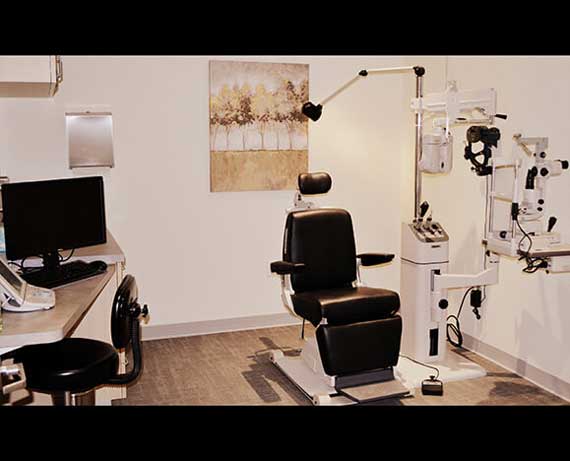
Early detection remains the best defense against keratoconus progression. Comprehensive eye exams help identify the condition before it advances significantly. The team at Six One Six Vision Center uses advanced diagnostic technology to evaluate corneal shape and thickness while recommending treatments based on the stage and severity of the condition. Treatment options may include scleral contact lenses for advanced cases or corneal cross-linking, a minimally invasive procedure designed to strengthen corneal fibers and slow progression. For patients who do not respond well to contact lenses, surgical solutions such as corneal transplants are also available.
Schedule Your Eye Health Evaluation
If you or a family member have risk factors for keratoconus, including family history, chronic allergies, or frequent searches for an “eye doctor near me,” scheduling a comprehensive eye exam is an important next step. Six One Six Vision Center provides advanced diagnostics, preventative care, and modern treatment solutions to help patients maintain healthy vision throughout every season in Eagle, ID. Give us a call at (208) 514-1858 or fill out our contact form to get started.