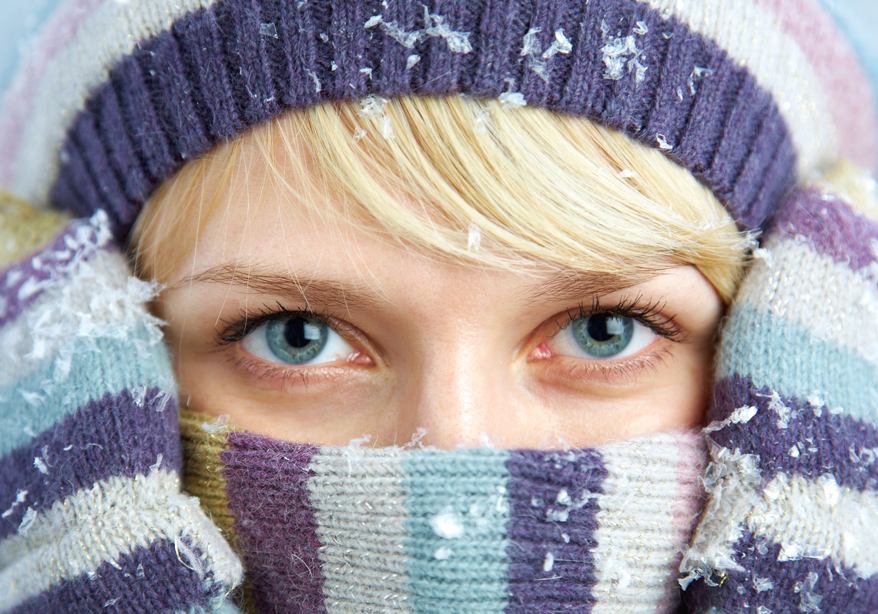
If you step out into the brisk winter air and notice your eyes watering uncontrollably, you’re not alone. Many residents of Eagle experience increased eye discomfort during colder months, with excessive tearing being one of the most common complaints. While it may seem surprising for your eyes to water in dry, chilly weather, there are clear scientific explanations—and effective ways to manage the issue.
Why Do Your Eyes Water More in Cold Weather?
The primary reason for watery eyes in cold weather is rapid moisture evaporation from the surface of the eye. In Eagle, winter often brings low humidity outdoors and indoors. Cold air holds less moisture, and indoor heating only dries the air further. When your tear film evaporates too quickly, your eyes sense irritation or dryness and trigger the lacrimal glands to produce more tears. This reflex response can lead to overflowing tears.
Additionally, exposure to cold causes the tiny blood vessels around your eyes to constrict. With reduced circulation, your tear glands may overreact by producing excessive moisture, which spills over as watery eyes.
Environmental Factors That Make Winter Tearing Worse
Eagle winters often include windy days and rapid temperature changes. Wind accelerates tear evaporation and can introduce dust or debris that irritates the eyes. Indoor environments are also a challenge—heating systems significantly lower humidity levels, creating persistent dryness even after you come in from the cold. Contact lens wearers may notice even more irritation due to fluctuations in moisture levels, leading to increased reflexive tearing.
Underlying Eye Conditions That Can Increase Tearing
Excessive tearing isn’t always a simple cold-weather reaction. Winter dryness can expose or worsen underlying eye issues such as:
- Dry eye syndrome
- Blepharitis
- Meibomian gland dysfunction
People with dry eyes often find that their eyes water more in winter as the glands attempt to counteract irritation. Seasonal conjunctivitis, which affects both children and adults, can also increase redness, discomfort, and tearing. Winter viruses common in the area may contribute to these symptoms as well.
Practical Tips for Managing Watery Eyes in Winter
You can take several steps to reduce excessive tearing and protect your eyes during cold weather:
- Wear wraparound sunglasses or goggles outdoors to shield your eyes from cold wind and particles.
- Use preservative-free lubricating eye drops before heading outside.
- Add a humidifier to your home or workspace to reduce indoor dryness.
- Stay hydrated to support a healthy tear film.
- Avoid sitting near heaters or direct airflow that worsens dryness.
If you wear contact lenses, consider winter-friendly lenses designed for dry conditions, or reduce wearing time on especially cold days.
Regular eye exams remain the best way to detect dry eye or other conditions before symptoms worsen. At Six One Six Vision Center, many patients report increased tearing in winter, and customized treatment plans help significantly reduce symptoms so you can enjoy the season comfortably.
When to Seek Eyecare for Excessive Tearing
While watery eyes are common during Eagle winters, you should seek professional care if you notice:
- Persistent or severe tearing
- Pain or redness
- Sensitivity to light
- Blurred vision
- Discharge
These may indicate a blocked tear duct, infection, or another condition requiring treatment. A qualified optometrist can evaluate your eyes and recommend targeted solutions such as prescription drops, in-office procedures, or advanced dry eye therapies.
Ready for Relief? Schedule an Eye Exam in Eagle, ID
If excessive tearing is disrupting your comfort this winter, Six One Six Vision Center in Eagle, ID is here to help. Schedule a comprehensive eye exam to identify the root cause and explore personalized solutions for winter eye irritation, dry eye, and contact lens discomfort. Reach out today to restore clarity and comfort all season long. Call us at (208) 514-1858 or schedule online anytime to get started.