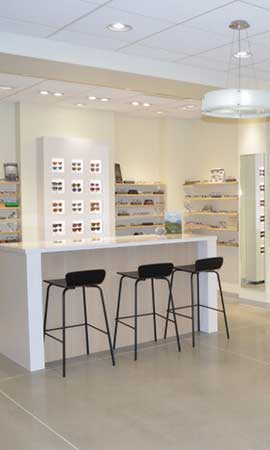
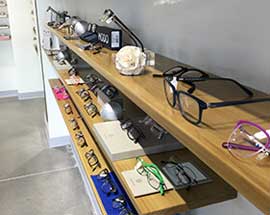
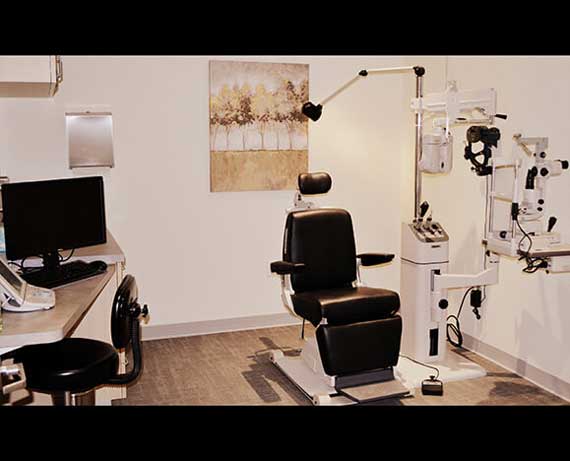
When it comes to safeguarding your vision, sunglasses are often underestimated or misunderstood, especially in sunny regions like Eagle, ID. At Six One Six Vision Center, our team often encounters misconceptions that can put your eyesight at risk. Here are six persistent myths about sunglasses—debunked—to help you make smart choices for year-round eyecare.
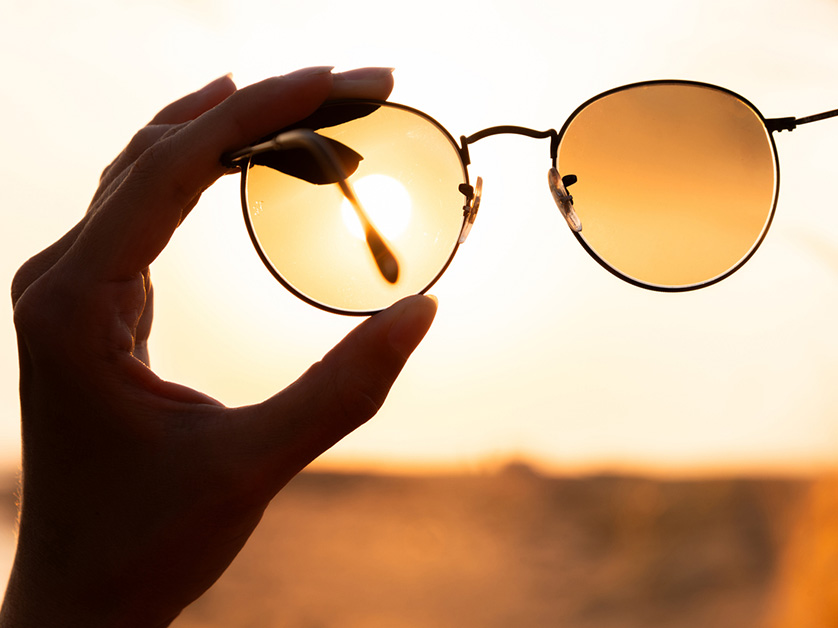
1. Myth: All Sunglasses Provide Sufficient UV Protection
Not every pair of sunglasses offers the protection your eyes need. Only lenses specifically labeled with 100% UVA and UVB protection can shield your eyes from harmful rays. In Eagle, the intensity of sunlight, particularly during the summer, means that relying on sunglasses from a convenience store could ultimately increase your risk for eye conditions like cataracts or macular degeneration. Always confirm UV protection details before purchasing, and remember, protection levels are not determined by price alone—eye exams can help ensure your sunglasses are suitable for long-term use.
2. Myth: The Darker the Lens, the Better the Protection
Many believe that glasses with darker lenses mean better UV protection. However, lens darkness only affects the amount of visible light entering your eyes, not the level of UV filtering. In fact, if dark lenses lack proper UV coatings, your pupils may dilate behind the lenses, admitting even more damaging rays. In sunny Idaho, this can be especially problematic for those spending extended hours outdoors, whether hiking in Boise National Forest or boating along the Snake River.
3. Myth: Polarized Sunglasses Automatically Provide UV Protection
Polarization reduces glare, especially on roads and water, which is valuable for drivers and outdoor enthusiasts in Eagle. Yet, polarization has no connection to UV protection. Always look for sunglasses that also advertise 100% UV blocking in addition to polarization – this distinction is essential for true comprehensive eyecare.
4. Myth: Sunglasses Are Only Necessary on Bright, Sunny Days
UV rays penetrate through clouds, meaning your eyes are at risk of exposure even during overcast or winter days – a scenario that’s common during Idaho’s transitional seasons. Reflective surfaces, such as snow or water, amplify UV exposure, making sunglasses a year-round necessity in our local climate. If you participate in outdoor winter sports or spend time on the river, UV protection is still crucial.
5. Myth: If You Have Transition or Photochromic Lenses, You Don’t Need Sunglasses
Transition lenses respond to sunlight, but they typically don’t darken efficiently inside a vehicle since car windshields filter out much of the UV necessary to activate the lens darkening. For drivers in Eagle, a separate pair of prescription sunglasses ensures your eyes are protected while behind the wheel. This is vital for comfortable, safe driving in Idaho’s bright summer months, when glare and strong light are especially pronounced.
6. Myth: Only Prescription Wearers Need Quality Sunglasses
Even if you don’t require corrective lenses or contact lenses, everyone in Eagle is vulnerable to eye damage from UV rays. Sunglasses act as a physical barrier, helping to protect against wind, dust, and allergens as well – a real consideration during windy spring days when pollen and debris circulate. Patients without vision correction needs should still invest in high quality, protective sunglasses to maintain healthy vision.
Protect Your Eyes with Six One Six Vision Center, Eagle, ID
It’s natural to have questions about proper eye protection, and regular eye exams can help monitor your eye health and confirm your sunglasses meet recommended standards. At Six One Six Vision Center in Eagle, ID, our optometrists guide you in selecting sunglasses and vision care products suited to our local climate and your lifestyle needs. Connect with our office today to explore our collection or schedule your next comprehensive eye exam. Give us a call at (208) 514-1858 or schedule online anytime.